Understanding Charcoal Specifications for Briquette and Activated Carbon Raw Materials
Charcoal specification sheets list several parameters. Understanding what each one means helps buyers compare offers and choose material that fits their production process.
Key Parameters Explained
Moisture content
The proportion of water in the material. Excess moisture can reduce effective energy and affect handling and processing.
Ash content
The inorganic residue remaining after combustion. Lower ash is generally preferred, as ash can affect product quality and processing.
Fixed carbon
The solid carbon fraction remaining after volatile matter is driven off. It is a key indicator for both fuel and carbon-based products.
Volatile matter
Components released as gases when heated. It influences ignition and burning behaviour.
Raw Material for Activated Carbon
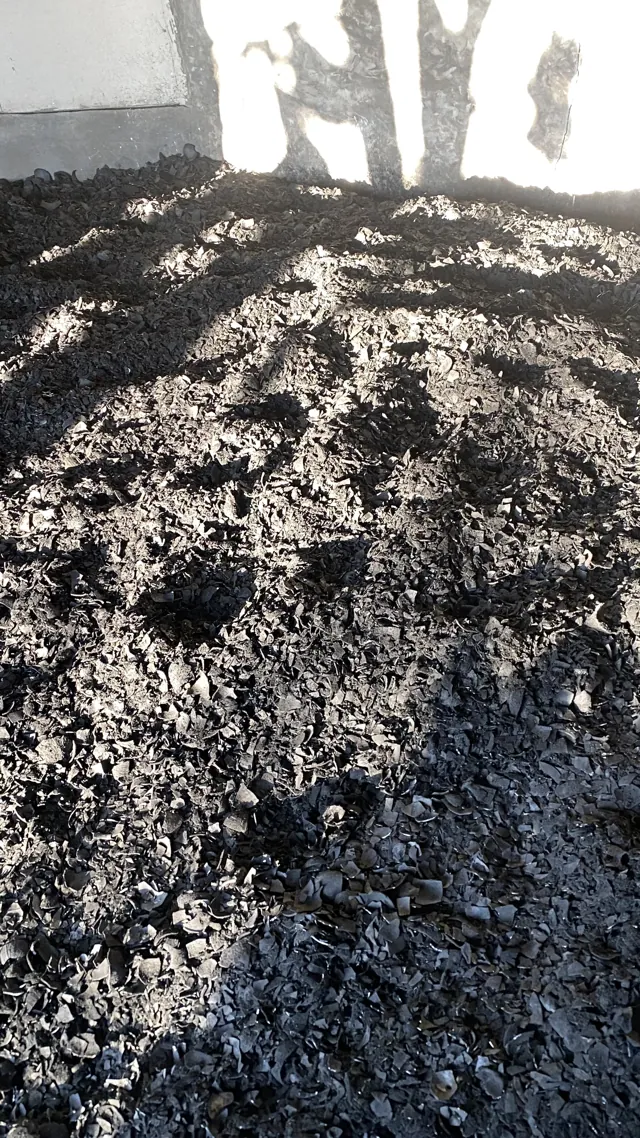
Activated carbon producers generally look for charcoal with high fixed carbon and low ash, as these characteristics influence the activation process. Coconut shell charcoal is a commonly used raw material for this purpose. It is important to distinguish raw charcoal from finished activated carbon, which requires a separate activation process.
See Coconut Shell Charcoal specifications →
Briquettes
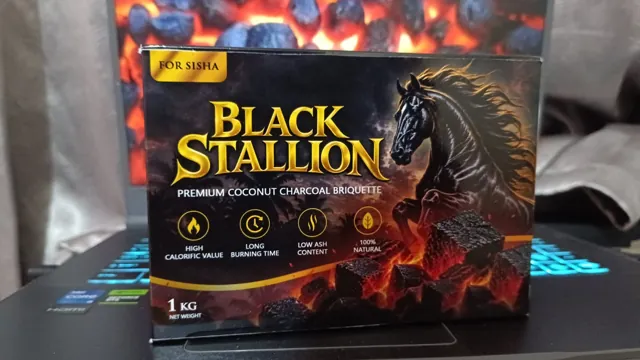
For finished briquettes used in heating, shisha, or barbecue, buyers typically consider calorific value, ash, moisture, shape, and burning characteristics such as smoke.
See Briquette specifications →
Reading Specifications as Ranges
Natural materials vary, so specifications are usually expressed as ranges. Discuss the acceptable range for your process with your supplier and confirm with samples before larger orders.