Coconut Shell Charcoal and Palm Kernel Shell in the Clean Energy Transition
As industries look for ways to diversify their energy sources, biomass derived from agricultural residues has drawn growing attention. Coconut shell charcoal and raw palm kernel shell are two such materials, and although both come from tropical crops, they serve different purposes.
Two Materials, Two Origins
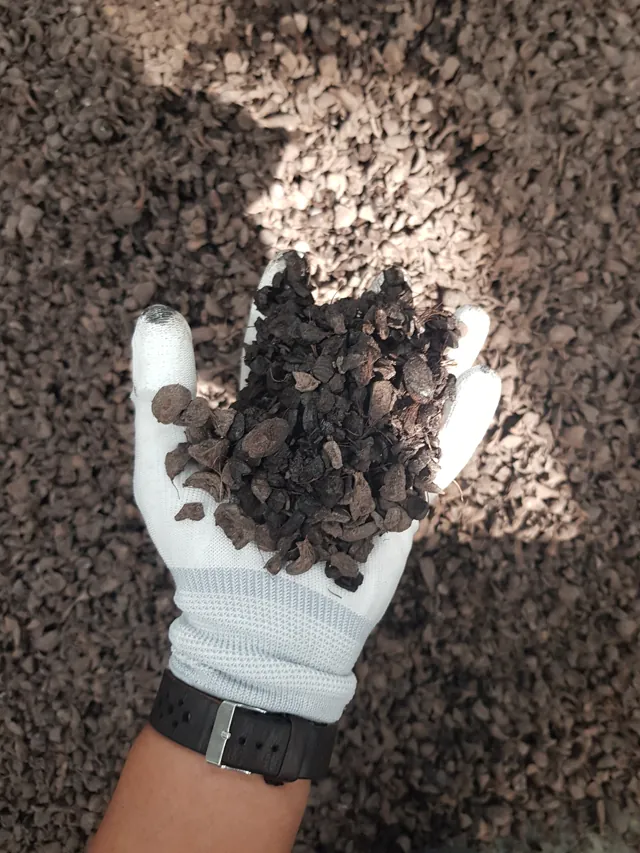
Raw palm kernel shell
A residue of palm oil processing, supplied in its natural form and commonly used as a solid fuel.
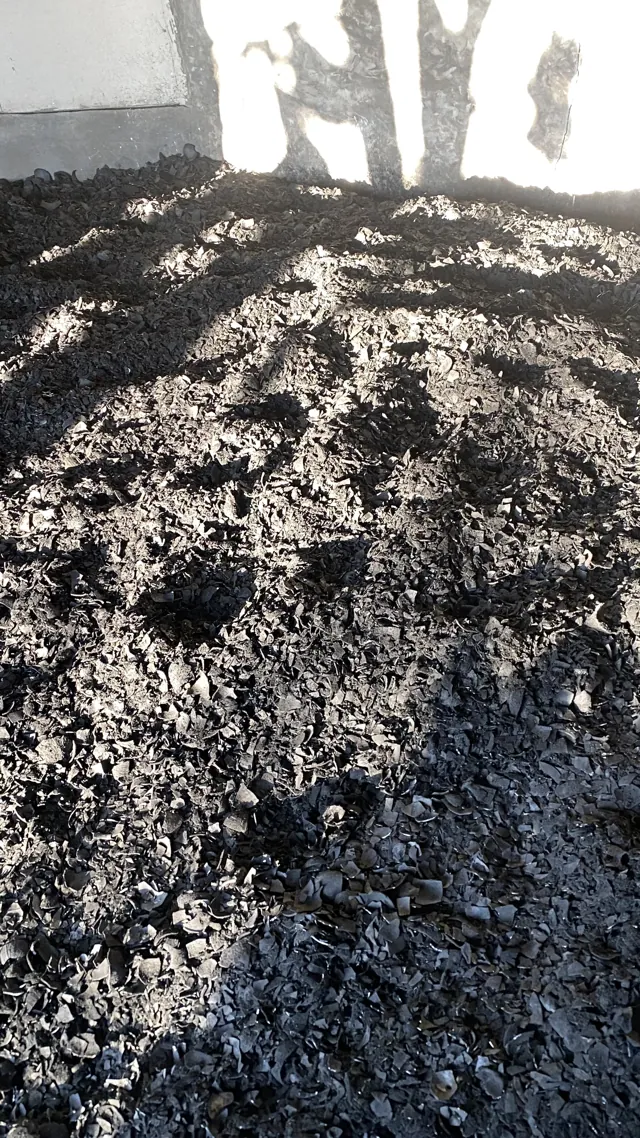
Coconut shell charcoal
Produced by carbonising coconut shells. The carbonisation process changes the material's properties, generally increasing fixed carbon relative to the raw shell.
How Their Roles Differ
- Raw PKS is typically considered for boiler fuel and co-firing.
- Coconut shell charcoal is often sought as raw material for activated carbon and briquette production, as well as for industrial fuel.
Biomass in the Energy Transition
The energy transition is a long-term shift in how industries source and use energy. Biomass is one of several options companies explore alongside other renewable and efficiency measures. Whether a particular biomass suits a particular facility depends on technical, logistical, and regulatory factors that should be assessed case by case.
Responsible sourcing, transparent specifications, and consistent supply are what make biomass practical for buyers over time.
Choosing the Right Material
Start from the end use. A boiler operator and an activated carbon producer will look at very different specifications. Discussing requirements with a supplier and testing samples is the most reliable way to decide.