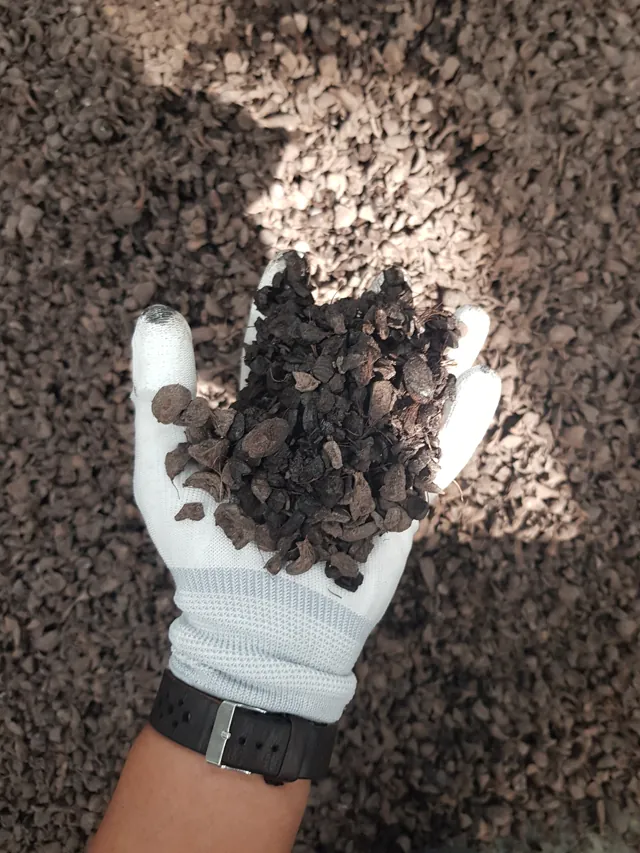
Palm Kernel Shell as a Biomass Energy Resource
Palm kernel shell (PKS) is the hard outer shell left behind after palm kernels are separated during palm oil processing. Rather than treating it as waste, many industries use it as a solid biomass fuel.
Where Palm Kernel Shell Comes From
After fresh fruit bunches are processed and the kernel is cracked, the shell fragments are collected as a residue. Because they are produced alongside palm oil, their availability is linked to palm processing activity in producing regions such as Indonesia.
Characteristics That Matter to Buyers
Industrial buyers typically evaluate PKS on a handful of parameters:
- Moisture content, which affects combustion and handling
- Ash content, which influences residue and boiler maintenance
- Fixed carbon and calorific value, which indicate energy potential
- Physical form, cleanliness, and consistency between shipments
Reviewing these values against the requirements of a specific boiler or process is an important first step before committing to supply.
Common Industrial Applications
Boiler fuel
PKS can be used as an alternative solid fuel in industrial boilers, either on its own or blended with other fuels depending on equipment design.
Co-firing
Some facilities use biomass such as PKS alongside conventional fuels. Suitability depends on the plant, its fuel handling system, and operating requirements.
Further processing
PKS can also serve as raw material for palm shell charcoal.
Practical Considerations
Packaging (bulk or bagged), minimum order quantity, delivery terms, and sampling are all worth discussing early. Requesting a sample helps a buyer confirm the material suits their process.